Kasese District sits at the foot of the Rwenzori Mountains — one of Uganda's most biodiverse and ecologically critical regions. Yet its rivers, wetlands, and forests have been devastated by a combination of agricultural encroachment, brick-making, and uncontrolled deforestation. The result: flooding seasons that claim lives, destroy homes, and wash away livelihoods.
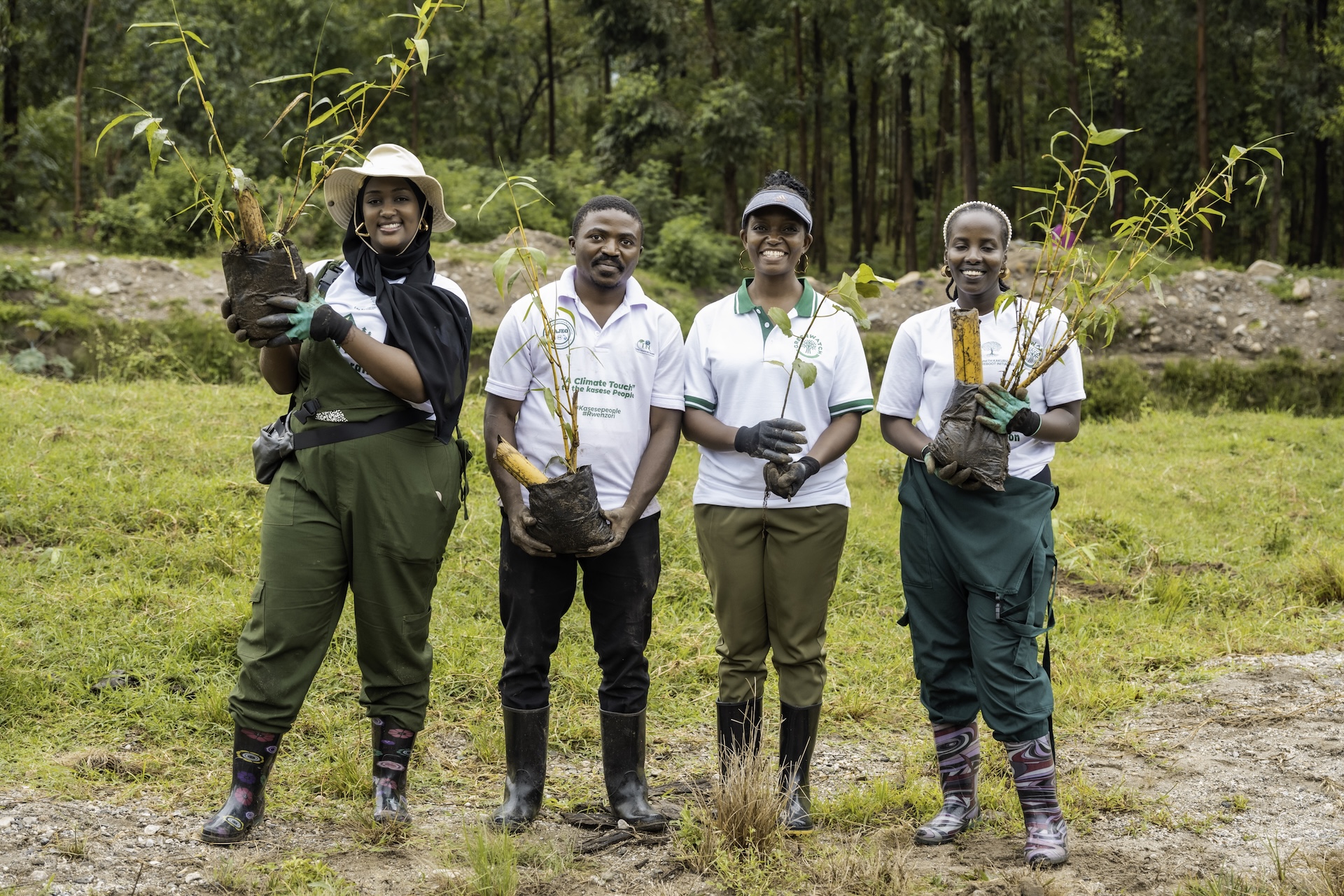
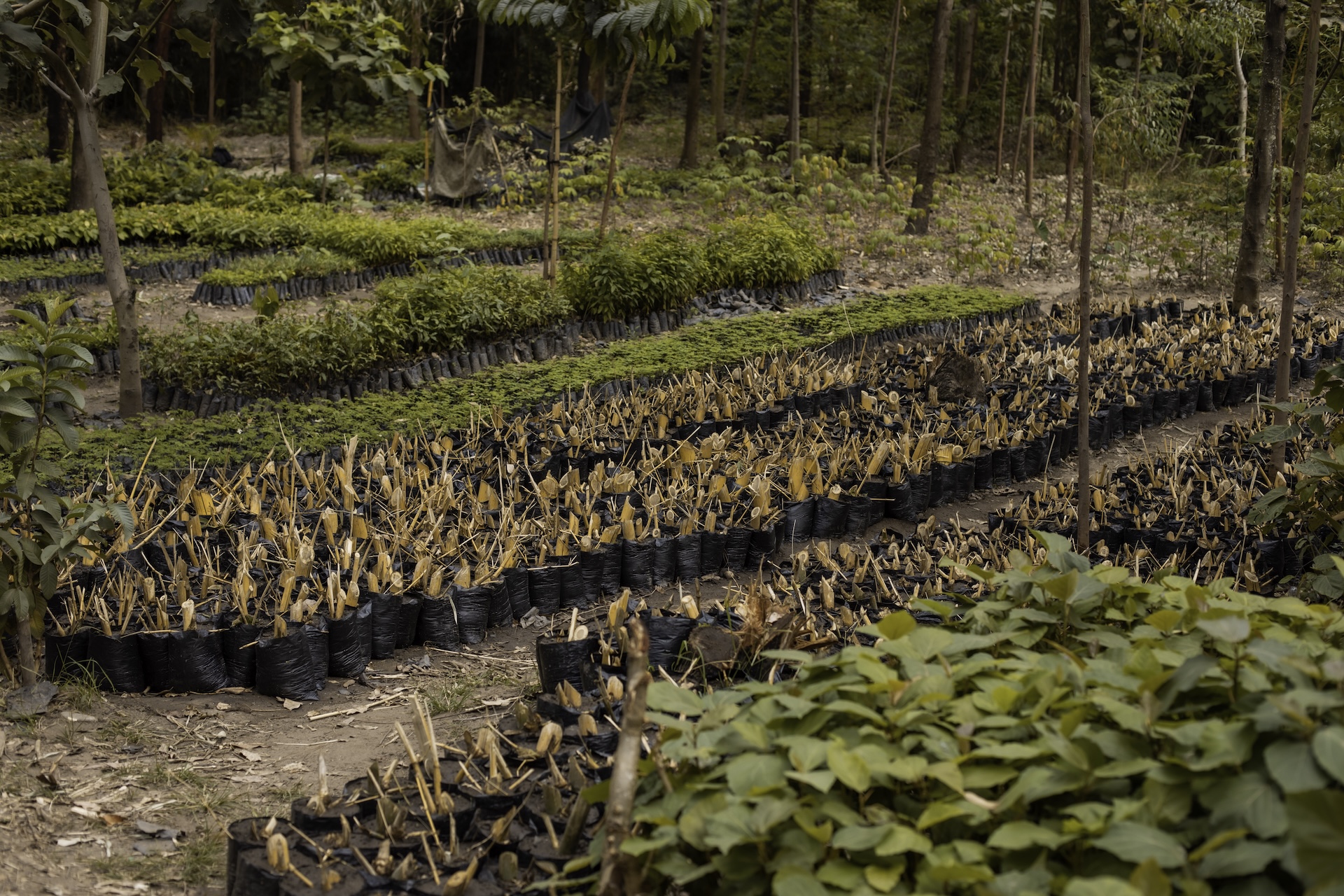
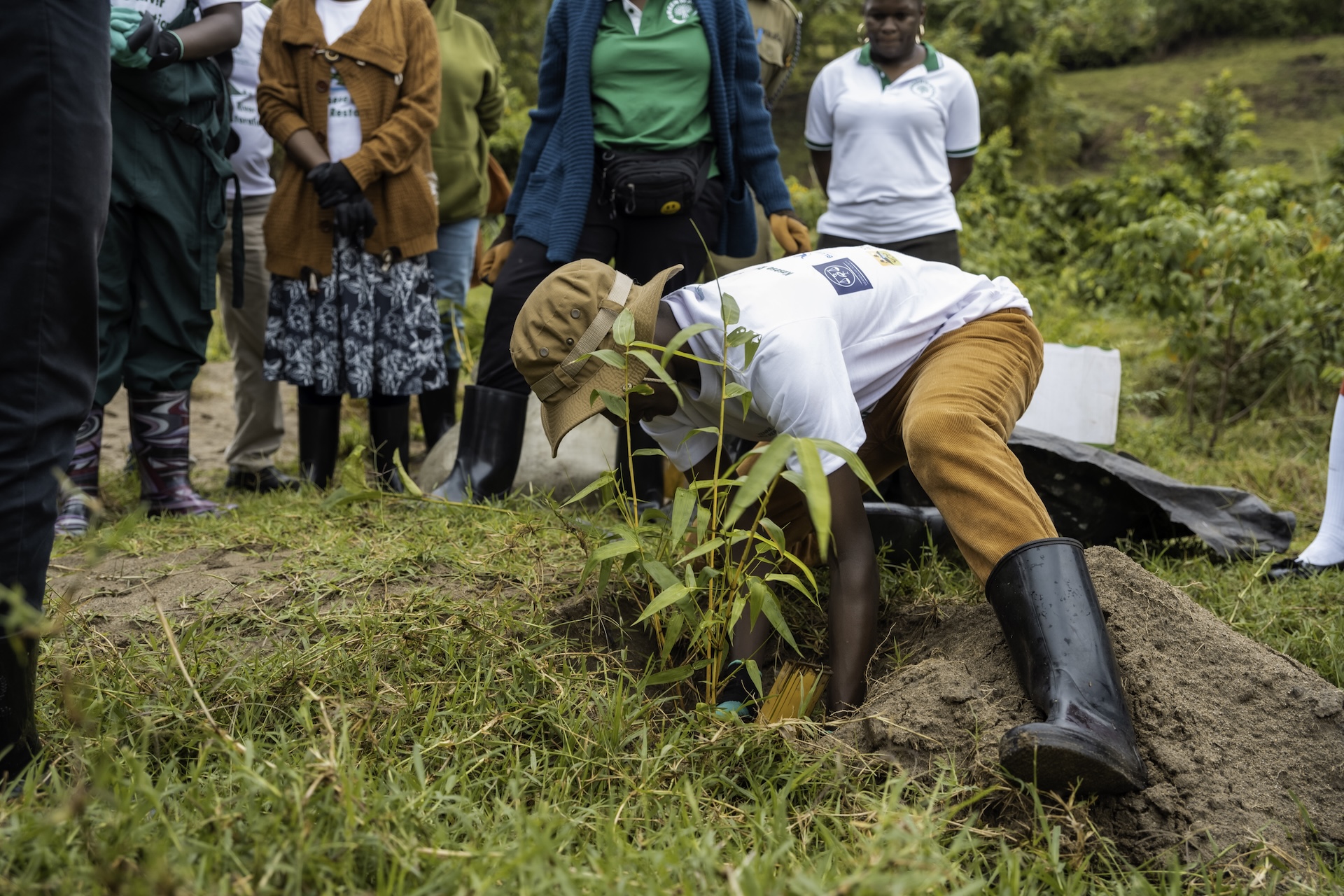
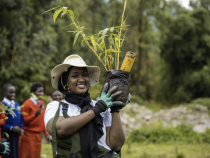
KKERI's flagship restoration project targets the Rwembya and Nyamasagani River systems, planting thousands of native trees along their banks to stabilise the soil, slow flood waters, and rebuild the riparian ecosystems that once served as natural buffers. Working alongside St. Theresa Secondary School's Environmental Club — which has already nursed over 5,000 seedlings including indigenous species, fruit trees, and bamboo — the initiative combines ecological restoration with deep community ownership.
The project also draws lessons from the Kyambura Gorge and Wetland Conservation Zone, where the contrast between restored and degraded wetland is stark and instructive: one side thrives with biodiversity; the other barely survives. KKERI uses this lived reality to educate communities, advocate for stronger local by-laws, and demonstrate that restoration works — when communities lead it.
Tree planting along the Rwembya and Nyamasagani River banks
5,000+ nursery seedlings: indigenous species, fruit trees & bamboo
Wetland restoration informed by the Kyambura Gorge Conservation Zone
Community sensitisation on disaster preparedness and conservation
Collaboration with Kasese District Disaster Management Committee
for local by-laws regulating deforestation in Kisinga Town Council
support from forestry volunteers with field expertise
Integration with Greenwatch's legal advocacy to protect restored areas









Why Kasese Matters
Kasese is not just where we work — it is a mirror of Uganda's most urgent environmental challenges, and the place where the solutions are most needed.